
Why Is My Ford's Engine Oil Level Low? Common Causes Every Driver Should Know
Finding that your Ford's engine oil level is lower than expected can be concerning.
If you've recently checked the dipstick and wondered, "Why is my
engine oil low?" or "Why does my car keep losing oil?",
you're not alone. While a small amount of oil consumption is considered normal
for many modern engines, a noticeable drop in oil level may indicate an
underlying issue that deserves attention.
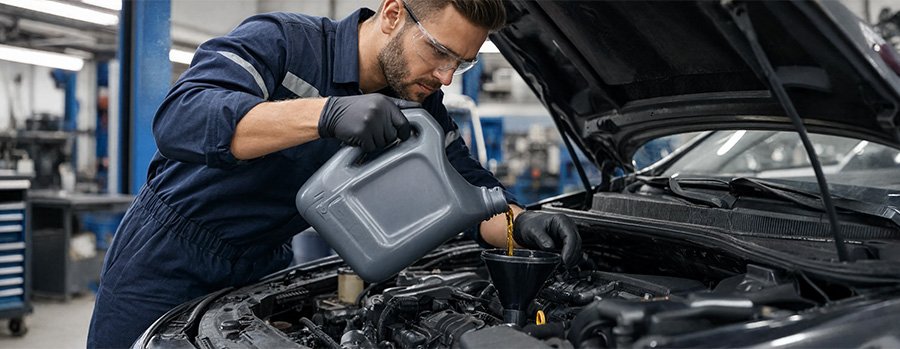
Whether you drive a Ford F-150, Explorer, Escape, Bronco, Expedition,
Maverick, Ranger, Mustang, or Super Duty truck, maintaining the proper engine
oil level is essential for keeping your engine protected and performing at its
best.
At Doherty Ford in Forest Grove, our Ford
Certified Technicians help drivers identify the cause of low engine oil,
perform thorough inspections, and recommend the right repairs to keep their
vehicles running reliably for miles to come.
Why Engine Oil Matters More Than You Think
Engine oil is often called the lifeblood of your vehicle, and for good
reason. It lubricates hundreds of moving engine components, reducing friction
and preventing premature wear.
Beyond lubrication, engine oil also helps regulate operating
temperatures, removes dirt and contaminants, protects internal metal surfaces
from corrosion, and contributes to overall engine efficiency.
When the oil level drops too low, your engine loses much of that
protection. Components begin generating more heat and friction, increasing the
risk of accelerated wear or, in severe cases, catastrophic engine damage.
That's why even a seemingly minor drop in oil level should never be ignored.
Common Reasons Your Ford's Engine Oil Level Is Low
1.
Normal Engine Oil Consumption
One of the most common reasons for a lower oil level is simply normal
engine operation. Modern Ford engines, especially turbocharged EcoBoost®
models, are engineered for performance and efficiency, and some oil consumption
between scheduled oil changes is expected.
Vehicles with higher mileage, those used for towing, or those frequently
driven on highways may naturally consume oil at a slightly faster rate. If the
oil level decreases gradually over several thousand miles without any visible
leaks or warning lights, it may simply be part of normal engine operation.
Regular oil checks help ensure the level remains within the recommended range.
2.
External Oil Leaks
An external oil leak is another common cause of low engine oil. Over
time, seals and gaskets can wear, allowing oil to escape from the engine.
Common leak locations include the valve cover gasket, oil pan gasket, oil
filter, drain plug, and front or rear main seals.
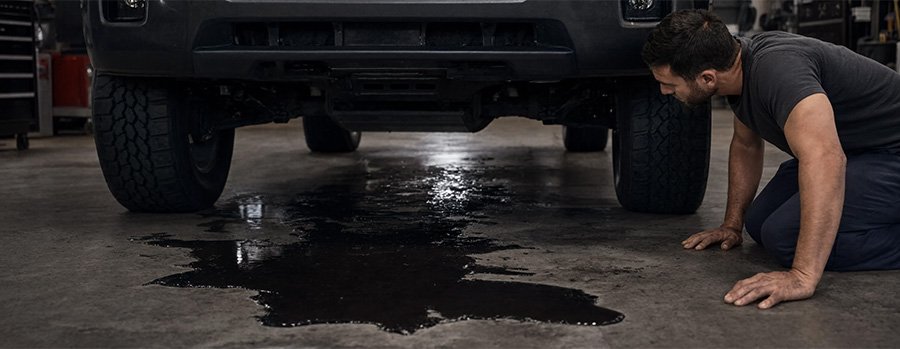
Drivers may notice dark oil spots beneath the vehicle after it's been
parked or catch the smell of burning oil if leaking oil comes into contact with
hot engine components. Even a small leak can gradually reduce oil levels if
left untreated, making early diagnosis important before a minor repair turns
into a more expensive one.
3.
Worn Internal Engine Components
As engines accumulate mileage, internal components naturally experience
wear. Piston rings and valve seals can lose their ability to keep oil
contained, allowing small amounts to enter the combustion chamber where it
burns during normal engine operation.
Unlike an external leak, this type of oil loss isn't always visible.
Instead, drivers may notice they need to add oil more frequently, experience
reduced engine performance, or occasionally see blue-tinted exhaust smoke.
While these symptoms don't always indicate a major problem, they should be
inspected by a qualified technician before the condition worsens.
4.
Turbocharged EcoBoost® Engines
Many popular Ford models are equipped with EcoBoost® engines that use
turbochargers to deliver impressive power while maintaining fuel efficiency.
These turbochargers rely on engine oil for both lubrication and cooling.
Because turbocharged engines operate under higher temperatures and
pressures, they may consume slightly more oil than naturally aspirated engines
depending on driving habits and operating conditions. This doesn't necessarily
indicate a problem, but it does make routine oil inspections especially
important for EcoBoost owners.
5.
Towing, Hauling, and Demanding Driving Conditions
If you regularly tow a trailer, haul heavy equipment, or take your truck
on long highway trips, your engine works significantly harder than it does
during everyday commuting. Higher engine loads naturally produce more heat,
which can increase oil consumption over time.
Many Ford owners throughout Forest Grove and the surrounding communities
rely on their trucks and SUVs for work, recreation, and weekend adventures.
Whether you're heading toward the Oregon Coast, exploring the Cascade
Mountains, or towing a camper through the Pacific Northwest, following Ford's
Severe Duty Maintenance Schedule can help ensure your engine remains properly
protected.
6.
Delayed Oil Changes
Engine oil gradually breaks down as it ages. Over time, heat,
contaminants, and combustion byproducts reduce the oil's ability to properly
lubricate and protect internal components. Older oil also becomes more
susceptible to burning, which may contribute to lower oil levels between
services.
Following your Ford's recommended maintenance schedule and using the
proper Motorcraft® oil and filter helps maintain consistent engine protection
while minimizing unnecessary oil consumption.
7.
Oregon's Changing Seasons
While Oregon doesn't experience the extreme heat found in some parts of
the country, changing weather conditions can still affect your vehicle. Summer
road trips, extended highway driving, mountain grades, stop-and-go traffic, and
long periods of idling all place additional demands on your engine.
Seasonal temperature changes can also affect oil viscosity and engine
performance. Regularly checking your oil level throughout the year is a simple
habit that helps ensure your engine remains protected regardless of where the
road takes you.
How to Check Your Ford's Engine Oil
Checking your engine oil only takes a few minutes and is one of the
easiest maintenance tasks every driver should know. Park your vehicle on a
level surface and switch off the engine, allowing a few minutes for the oil to
settle into the oil pan. Remove the dipstick, wipe it clean, insert it fully,
and pull it out again to check the level.
The oil should fall between the minimum and maximum marks. If it's below
the recommended range, add the correct oil specified in your owner's manual.
Using the proper Motorcraft® engine oil helps ensure your Ford continues to
receive the protection it was designed for.
Can You Continue Driving with Low Engine Oil?
Although your vehicle may continue running with a low oil level, doing
so is never recommended. Without enough oil circulating through the engine,
moving parts experience greater friction and higher operating temperatures.
Over time, this can lead to worn bearings, overheating, turbocharger damage,
and even complete engine failure.
If your oil warning light comes on or you discover the oil level is
significantly below the recommended mark, it's best to address the issue before
continuing to drive. Prompt attention can often prevent repairs that are far
more expensive than a simple oil service or leak repair.
Protect Your Engine with Routine Maintenance
Many oil-related problems can be prevented through consistent
maintenance. Checking your oil level once a month, following Ford's recommended
oil change intervals, using genuine Motorcraft® parts and fluids, and having
leaks inspected early all help extend the life of your engine.
Routine inspections by Ford Certified Technicians can also identify
developing issues before they become costly repairs, giving you confidence
every time you get behind the wheel.
Schedule Ford Oil Service at Doherty Ford
If you've noticed your engine oil level dropping or you're simply due
for routine maintenance, the team at Doherty Ford in Forest Grove, OR is
here to help. Our Ford Certified Technicians use genuine Ford and Motorcraft®
parts, advanced diagnostic equipment, and manufacturer-recommended procedures
to keep your vehicle performing at its best.
Whether your Ford needs an oil change, an engine inspection, or help diagnosing an oil leak, we're committed to providing honest recommendations and quality service you can trust. Schedule your next service appointment with Doherty Ford today and keep your Ford ready for every journey ahead.