
Why Are Your Door Locks Not Working? Causes and Repair Solutions
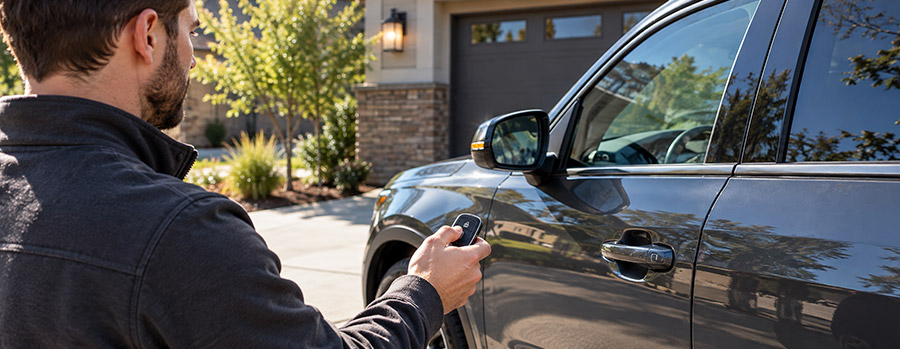
Your vehicle's door locks play an important role in both security and everyday convenience. Whether you're unlocking your Ford with a key fob before heading to work or using the interior switch after a drive through Forest Grove, you expect the system to work reliably. When a door refuses to lock or unlock, it can quickly become more than a minor inconvenience.
Ford
power door lock problems can stem from several sources, including a weak key
fob battery, a worn actuator, damaged electrical connections, or a faulty latch
mechanism. Identifying the cause is important because different problems can
produce similar symptoms.
At
Doherty Ford in Forest Grove, Oregon, understanding these warning signs can
help you recognize when your vehicle needs professional attention and determine
the next steps toward a repair.
Warning Signs of a Ford Door Lock Problem
Door
lock issues do not always appear as a complete system failure. Sometimes, the
first indication is an occasional delay or an unusual sound when you press the
lock button.
Look out
for these symptoms:
·
Unresponsive door locks: The doors do not react to the key fob or interior switches.
·
One malfunctioning door: Most locks work normally, but a particular door will not respond.
·
Clicking or buzzing sounds: The locking mechanism makes noise without completing its movement.
·
Intermittent operation: The locks work on some attempts but fail on others.
·
Reduced key fob performance: The remote works inconsistently or only at
close range.
·
Mechanical resistance: A door remains stuck even after the lock appears to release.
Pay
attention to whether the issue affects one door or the entire vehicle. This
information can help narrow the possible causes, although testing is necessary
to identify the actual fault.
1. Your Key Fob Battery May Need Replacing
When
your Ford does not respond to remote locking commands, start by considering the
key fob battery.
A
weakening battery can reduce the remote's operating range and make its buttons
less reliable. You might need to press a button more than once before the
vehicle responds, or the remote may eventually stop working altogether.
Common
symptoms include reduced signal range, inconsistent locking and unlocking, and
unresponsive buttons.
Replacing
the battery may resolve the problem if it is the source of the malfunction.
Check your owner's manual for the correct battery type and replacement
instructions.
If the
remote remains unresponsive after replacement, the issue could involve the key
fob's internal components or the vehicle's remote entry system. Try using the
interior power lock switch, where equipped. If the switches work but the remote
does not, further investigation of the key fob and remote communication system
may be needed.
2. A Worn Door Lock Actuator
The door
lock actuator is an electromechanical component that moves the locking
mechanism when it receives a command. Repeated use and internal wear can
eventually affect its performance.
A
failing actuator may cause one door to remain locked, unlock inconsistently, or
move only partway. Clicking or buzzing sounds from inside the door can also
indicate a problem.
For
example, if the locks on your Ford Explorer operate normally but one passenger
door refuses to respond, the affected actuator could be responsible.
However,
similar symptoms can result from damaged wiring, a faulty connector, or a
binding latch. Replacing the actuator without confirming the cause may lead to
unnecessary expenses. Proper Ford door lock repair begins with testing the
affected components and their electrical connections.
3. Damaged Wiring or Loose Electrical
Connections
Power
door locks rely on electrical signals passing between switches, actuators,
control modules, and other components. Damaged wiring or deteriorating
connections can interrupt those signals and prevent the system from operating
correctly.
The
wiring that connects a door to the vehicle body experiences repeated movement
as the door opens and closes. Over time, wires can break internally, insulation
can deteriorate, or connectors can develop poor contact.
You may
notice that a lock works intermittently or that other electrical features in
the same door stop functioning.
Diagnosing
these problems may require inspecting connectors, testing circuit continuity,
and checking whether the actuator receives the correct electrical command.
Electrical testing helps distinguish wiring faults from failed components and
ensures the repair addresses the underlying issue.
4. A Blown Fuse or Electrical Supply Fault
A fuse
protects an electrical circuit by interrupting the current when it exceeds the
circuit's designed limits. If a fuse associated with your Ford's locking system
fails, some or all of the affected functions may stop working.
When
multiple door locks become unresponsive simultaneously, a fuse, shared power
supply, control circuit, or electronic module may be involved.
Consult
your owner's manual for the fuse layout specific to your Ford's model and year.
If a replacement is needed, always use the specified fuse rating. Installing a
higher-rated fuse can create additional electrical risks.
If the
replacement fuse blows again, an underlying fault, such as a short circuit, may
be present. Repeatedly replacing the fuse will not resolve the cause, so
professional electrical diagnosis is recommended.
5. A Faulty Door Latch or Locking Mechanism
Electrical
components are not always responsible for door lock problems. Mechanical parts
can wear, bind, or become damaged, preventing the lock or door from operating
properly.
The
latch assembly keeps the door securely closed and works with the locking
mechanism. Problems with the latch, internal linkage, or door handle can
prevent the door from releasing even when the lock receives the correct
command.
For
instance, you might hear the actuator operating, yet the door remains stuck. In
another situation, the door may unlock but still refuse to open because the
latch or handle mechanism is not releasing correctly.
Avoid
forcing the handle or repeatedly operating a jammed lock. A technician can
inspect the mechanism and determine whether cleaning, adjustment, repair, or
component replacement is necessary.
6. A Malfunctioning Power Lock Switch
The
interior power lock switch allows you to control your Ford's door locks without
using the key fob. Regular use, contamination, internal wear, or electrical
failure can interfere with its operation.
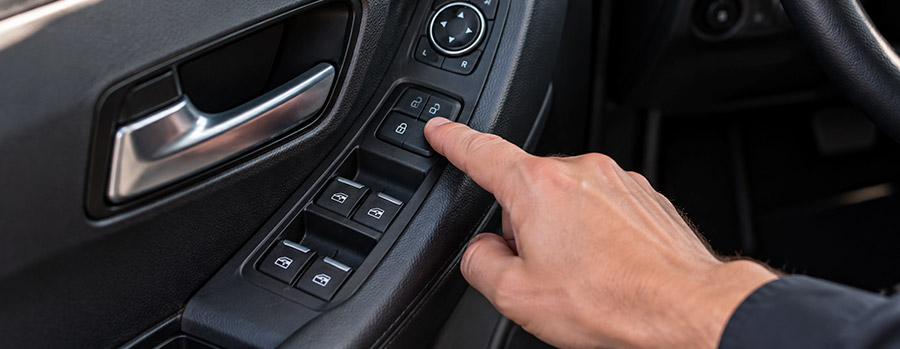
If the
locks respond to the remote but not the interior switch, the switch or its
associated wiring may be the source of the problem.
If
neither control operates a particular door, the cause could instead involve the
actuator, latch, wiring, or another part of the locking circuit.
Comparing
the system's response to different controls provides useful diagnostic
information. However, electrical testing is needed to confirm whether the
switch itself has failed.
7. Electronic Control or Remote Entry System
Issues
Modern
Ford vehicles use electronic control systems to manage convenience features,
including power locks and remote entry. Depending on the model and equipment,
these functions may involve body electronics and remote keyless entry
components.
A fault
in the relevant system can prevent locking commands from reaching the
appropriate components or cause inconsistent behavior across multiple doors.
Possible
symptoms include widespread lock failure, unreliable remote operation, or
unusual behavior involving related electronic features.
Technicians
may scan for diagnostic trouble codes, inspect electrical circuits, and check
communication between relevant modules. These possibilities are generally
investigated after simpler causes, such as a weak key fob battery, faulty
actuator, or damaged wiring, have been considered.
Troubleshooting Ford Door Locks: Symptoms and
Possible Causes
|
Symptom
|
Possible Cause
|
Recommended Next Step
|
|
Remote fails, but
interior switches work
|
Weak battery or faulty
key fob
|
Check the battery and
remote
|
|
One door will not respond
|
Actuator, wiring, or
latch problem
|
Have the affected door
inspected
|
|
All locks stop working
|
Fuse, power supply, or
control system fault
|
Check the owner's manual
and arrange diagnosis
|
|
Clicking inside a door
|
Actuator or mechanical
issue
|
Have the locking
mechanism tested
|
|
Locks work intermittently
|
Wiring, switch, or
connection fault
|
Note when the problem
occurs
|
|
Door unlocks but will not
open
|
Latch or handle mechanism
problem
|
Avoid forcing the door
|
These
observations can help narrow down the possibilities, but a professional
inspection may be needed to establish the exact cause. If a door cannot be
secured or remains stuck, arrange service promptly.
Get Ford Door Lock Service at Doherty Ford in
Forest Grove
Reliable
door locks help protect your vehicle and make everyday driving more convenient.
Whether your key fob has stopped responding, one door refuses to unlock, or
multiple locks have become unreliable, identifying the source of the problem is
the first step toward a lasting solution.
At Doherty
Ford in Forest Grove, Oregon, our service team can help investigate door
lock concerns involving actuators, electrical connections, switches, latches,
and related vehicle systems. Appropriate diagnostics help identify the
components that require attention rather than relying on guesswork.
If your
Ford's door locks are malfunctioning, schedule a service appointment with
Doherty Ford. Our team can help determine what is causing the issue and work
toward restoring dependable locking and unlocking operation.
Visit Doherty Ford in Forest Grove to schedule Ford service and have your door lock concerns inspected.
